
Understanding the psychology behind gambling behaviors and decision-making in casinos
The Allure of Gambling: Understanding Its Psychological Appeal
The psychology behind gambling is deeply rooted in human behavior and the desire for excitement. Casinos are designed to create an immersive environment that stimulates the senses and heightens emotions. The bright lights, loud sounds, and vibrant colors work together to create a euphoric atmosphere that can easily entice individuals. This sensory overload can lead players to lose track of time and money, as they become engrossed in the thrill of the game. Many players explore opportunities at olimp casino to maximize their excitement.
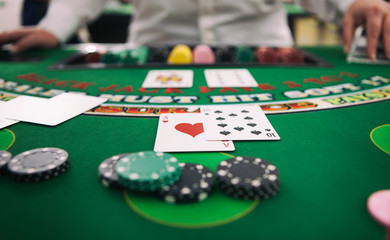
Addiction theories also explain why many find gambling irresistible. The concept of variable rewards—where players win unpredictably—triggers dopamine release in the brain, the same chemical associated with pleasure and reward. This neurological response can create a cycle of desire, leading to repeated gambling behavior as players chase the high of a win. Such psychological mechanisms can explain why many individuals persist despite experiencing losses.
Cognitive Biases and Decision-Making in Gambling
Cognitive biases play a significant role in gambling behaviors and decision-making. One prevalent bias is the illusion of control, where players believe they can influence the outcome of games largely governed by chance. For instance, many gamblers assume that previous outcomes affect future results, leading them to employ strategies that have little to no impact. This flawed thinking can cause them to make irrational bets, believing they are somehow “due” for a win.
Emotional Influences on Gambling Decisions
Emotions play a significant role in gambling behaviors, often driving decisions that may not be entirely rational. When individuals are feeling excited or euphoric, they may take more risks, believing that their luck will continue. This emotional high can cloud judgment and lead to impulsive decisions. Conversely, those experiencing negative emotions such as stress or sadness may gamble to escape their feelings, further compounding their risk-taking behaviors.
Research indicates that gamblers often experience a rollercoaster of emotions while playing. Wins can lead to feelings of elation, while losses often result in frustration or despair. This emotional variability can create a compulsive cycle, where players keep returning in hopes of recapturing the initial thrill of winning. Understanding these emotional triggers can be crucial for both gamblers and their loved ones, as recognizing these patterns can provide insights into why certain behaviors occur.
Moreover, the role of stress cannot be understated. For many, gambling serves as a coping mechanism, a way to distract themselves from life’s challenges. However, this reliance can lead to maladaptive behaviors, as individuals may find themselves in a spiral of chasing losses rather than addressing underlying issues. It’s essential to acknowledge how these emotional influences can lead to detrimental decision-making in gambling contexts, highlighting the need for awareness and self-regulation.
The Role of Environment in Gambling Behavior
The physical environment of casinos significantly affects gambling behavior and decision-making. Designers meticulously craft casinos to enhance the gambling experience, creating spaces that encourage prolonged play. The absence of clocks, lack of natural light, and continuous flow of complimentary drinks are intentional strategies to keep players engaged. By disorienting visitors, casinos can manipulate time perception, leading players to lose track of how long they’ve been gambling.
Additionally, the layout of games within a casino can impact decision-making. High-stakes areas often draw in players seeking thrills, while slots and video poker attract those looking for quick entertainment. The proximity of games to dining and entertainment options keeps players inside the casino longer, increasing the likelihood of further gambling. This strategic placement can exploit the psychology of convenience, nudging individuals towards impulsive spending.
Social influences within the casino environment can also dictate behaviors. Observing others winning can encourage people to gamble more aggressively or take risks they wouldn’t normally consider. Peer pressure and group dynamics can amplify risk-taking, especially when individuals are in a social setting. Understanding these environmental factors can shed light on why players make specific choices, underlining the complex interplay between space and behavior in gambling situations.

Experience Online Gaming at Olymp Casino
At Olymp Casino, players can explore the intricacies of gambling behaviors in a secure and engaging online environment. The platform offers a wide range of games, from slots to live casino experiences, making it easy for players to engage in their favorite activities. With generous welcome bonuses and user-friendly navigation, new players can dive into the excitement while benefiting from promotions that enhance their experience.
The platform is designed with the player’s psychology in mind, providing an immersive experience that mirrors the thrill of traditional casinos. By understanding the emotional and cognitive aspects of gambling, Olymp Casino creates an engaging environment that encourages responsible play. The integration of local payment methods and mobile accessibility ensures that players can enjoy their gaming experience anytime, anywhere, in a setting that prioritizes convenience and safety.
Whether you are an experienced player or new to online gaming, Olymp Casino caters to your needs with a variety of options and support. With a focus on providing a rewarding experience, players are encouraged to engage responsibly, keeping in mind the psychological factors influencing their decisions. Join today and discover a gaming experience tailored to your preferences, where the thrill of gambling is matched with responsible enjoyment.
“`