
Tracing the historical evolution of gambling From ancient rituals to modern casinos
The Origins of Gambling: Ancient Traditions
The practice of gambling dates back thousands of years, intertwined with ancient rituals and cultural traditions. Archaeological findings suggest that early civilizations, including the Chinese, Egyptians, and Greeks, engaged in games of chance. These activities were often linked to religious ceremonies, as participants believed that their fates were governed by divine forces. Games involving dice, marked stones, and betting on outcomes were common, reflecting a deep-seated human desire for luck and fortune. The emergence of venues for these activities, akin to a non gamstop casino, helped facilitate community engagement.
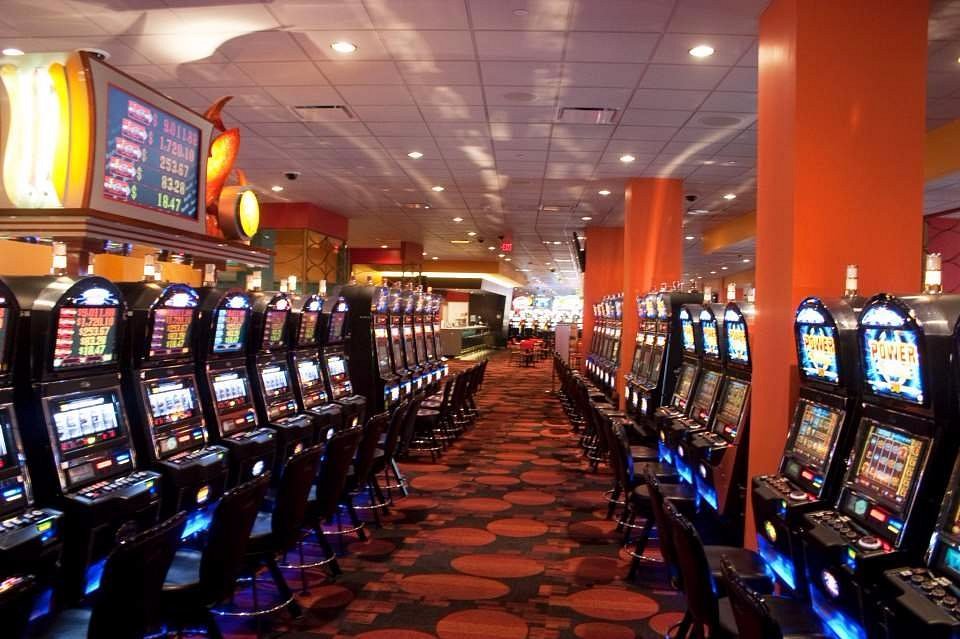
In these early societies, gambling served not only as a form of entertainment but also as a way to strengthen social bonds. People gathered to share in the excitement of games, and this communal experience fostered connections among individuals. The rituals surrounding gambling were often elaborate, incorporating elements of worship and cultural significance that transcended mere chance.
The Evolution of Gambling in the Middle Ages
As societies evolved, so did the nature of gambling. During the Middle Ages, gambling became more organized and widespread, particularly in Europe. The introduction of playing cards in the 14th century marked a significant development, leading to new games and betting systems. These innovations attracted a diverse group of players, from nobility to common folk, further embedding gambling into social fabric.
Gambling during this period was often met with skepticism and regulation from authorities, who viewed it as a vice. Laws were enacted to control the practice, reflecting society’s struggle to balance entertainment with morality. Despite these challenges, gambling thrived, laying the groundwork for future establishments like the first legal casinos in the 17th century.
The Rise of Modern Gambling: The 19th Century and Beyond
The 19th century witnessed a significant transformation in gambling practices, particularly with the advent of industrialization and urbanization. The establishment of betting houses and racetracks became commonplace, providing a structured environment for gamblers. This era also saw the birth of many popular casino games, including poker and roulette, which continue to be favorites in modern establishments.
With the rise of the American frontier, gambling took on new dimensions. The Gold Rush attracted fortune seekers, leading to the proliferation of saloons and gambling dens. This period was characterized by a sense of adventure and risk, encapsulating the allure of gambling as a pathway to wealth. The cultural significance of gambling expanded, influencing literature, art, and even politics, as it became ingrained in the American ethos.
The Establishment of Casinos: A New Era
The 20th century heralded the birth of the modern casino, revolutionizing the gambling landscape. Las Vegas emerged as the epicenter of this new era, characterized by glitzy resorts and extravagant entertainment. The legalization of gambling in Nevada transformed the industry, setting a precedent for other states and countries to follow. Casinos began to offer a comprehensive experience, combining gaming, dining, and live performances, appealing to a broader audience.
This evolution also coincided with advancements in technology, leading to the development of electronic gaming machines and online casinos. The internet has further expanded access to gambling, allowing players to engage in their favorite games from the comfort of their homes. The combination of tradition and innovation has resulted in a dynamic industry that continues to adapt and thrive.

Exploring Online Gambling: The Future of Gaming
As we look towards the future, the evolution of gambling is more pronounced than ever. Online gambling platforms have revolutionized the industry, offering players unprecedented convenience and variety. These virtual casinos simulate the traditional gaming experience while introducing innovative features, such as live dealer games and immersive environments powered by virtual reality.
While online gambling presents exciting opportunities, it also raises questions regarding regulation and responsible gaming. As technology advances, ensuring the safety and well-being of players becomes paramount. The ongoing evolution of gambling reflects not only changes in technology but also shifts in societal attitudes towards risk, entertainment, and chance.